
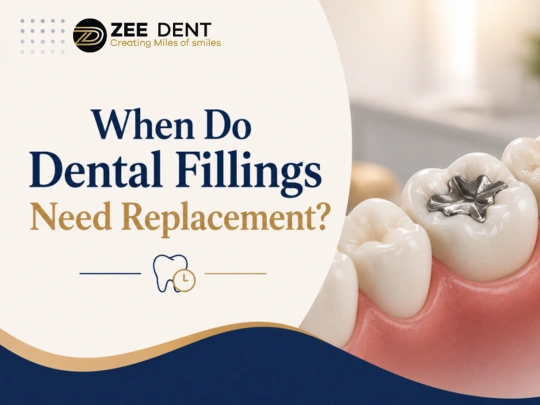
How Often Do Dental Fillings Need to Be Replaced?
Dental fillings are one of the most common restorative treatments used to repair teeth affected by cavities or minor damage. While fillings are designed to be durable, they are not permanent. Over time, everyday chewing, grinding, and natural wear can cause them to deteriorate.
Many patients ask, how often do dental fillings need to be replaced? The answer depends on several factors, including the type of filling material, oral hygiene habits, and overall dental health. Understanding when fillings should be replaced can help prevent tooth decay, fractures, and more extensive dental treatment.
What Is a Dental Filling?
A dental filling is a restorative material used to repair a tooth damaged by decay or minor fractures. After removing the decayed portion of the tooth, the dentist fills the space to restore its shape, strength, and function.
Common types of dental filling materials include:
- Composite resin (tooth-colored fillings)
- Amalgam (silver fillings)
- Ceramic fillings
- Gold fillings
- Glass ionomer fillings
Each material has different durability and maintenance requirements.
How Often Do Dental Fillings Need to Be Replaced?
There is no fixed timeline for replacing dental fillings because every patient is different. Most fillings last several years before they need replacement.
Average lifespan of common filling materials:
| Filling Material | Average Lifespan |
| Composite Resin | 5 to 10 years |
| Amalgam | 10 to 15 years |
| Ceramic | 10 to 15 years |
| Gold | 15 to 20 years or longer |
| Glass Ionomer | Around 5 years |
Regular dental examinations help determine when a filling should be replaced rather than relying solely on its age.
Why Do Dental Fillings Need Replacement?
Even high-quality fillings experience wear over time.
Common reasons include:
Normal Wear and Tear
Years of chewing and biting place constant pressure on fillings, causing gradual wear.
Recurrent Tooth Decay
New decay can develop around the edges of an existing filling if bacteria enter small gaps.
Cracked or Broken Fillings
Large fillings may crack or fracture due to heavy chewing or teeth grinding.
Loose Fillings
The bonding material can weaken over time, causing fillings to loosen.
Worn Edges
As fillings age, their edges may wear down, allowing bacteria to enter beneath them.
Signs Your Dental Filling May Need Replacement
You should visit your dentist if you notice:
- Tooth sensitivity to hot or cold
- Pain while chewing
- Visible cracks in the filling
- A rough or chipped filling surface
- Food frequently getting trapped around the filling
- Dark discoloration around the tooth
- A loose filling
- Persistent toothache
These symptoms do not always mean the filling needs replacement, but they should be evaluated promptly.
What Happens If You Delay Replacing a Filling?
Ignoring a damaged filling can lead to more serious dental problems.
Possible complications include:
- Tooth decay beneath the filling
- Tooth fractures
- Infection reaching the dental pulp
- Need for root canal treatment
- Tooth extraction in severe cases
Replacing a worn filling early is often simpler and less expensive than treating advanced damage.
How Does a Dentist Check Dental Fillings?
During routine dental checkups, your dentist examines fillings using:
- Visual inspection
- Dental explorer instruments
- Digital X-rays
- Bite evaluation
These assessments help detect problems before symptoms develop.
What Happens During Filling Replacement?
Replacing a filling is usually a straightforward procedure.
The dentist will:
- Examine the affected tooth.
- Remove the old filling.
- Remove any new decay if present.
- Clean the cavity.
- Place a new filling.
- Shape and polish the restoration.
- Check your bite for comfort.
Most filling replacements are completed in a single appointment.
Can Dental Fillings Last Longer?
Yes. Proper oral care can significantly extend the lifespan of fillings.
To help your fillings last:
- Brush twice daily with fluoride toothpaste.
- Floss every day.
- Limit sugary foods and drinks.
- Avoid chewing ice or hard objects.
- Wear a night guard if you grind your teeth.
- Visit your dentist every six months.
Preventive care protects both your fillings and your natural teeth.
Are Tooth-Colored Fillings Durable?
Modern composite resin fillings are much stronger than earlier materials.
Although they generally last slightly less time than amalgam or gold, tooth-colored fillings offer several benefits:
- Natural appearance
- Strong bonding to tooth structure
- Mercury-free material
- Conservative tooth preparation
With proper care, many composite fillings last well beyond ten years.
Frequently Asked Questions
Can dental fillings last a lifetime?
Some gold fillings may last several decades, but most fillings eventually require replacement due to wear or new decay.
Does replacing a filling hurt?
Filling replacement is typically performed under local anesthesia and is comfortable for most patients.
Can a filling fall out on its own?
Yes. Fillings may become loose or fall out because of wear, decay, trauma, or weakened bonding. If this happens, contact your dentist as soon as possible.
Conclusion
If you’ve been wondering how often do dental fillings need to be replaced, the answer depends on the type of filling, your oral hygiene, and the condition of the tooth. While many fillings last between 5 and 15 years or longer, regular dental checkups are the best way to determine when replacement is necessary.
Promptly replacing worn or damaged fillings helps protect your natural teeth, prevent further decay, and maintain long-term oral health.