
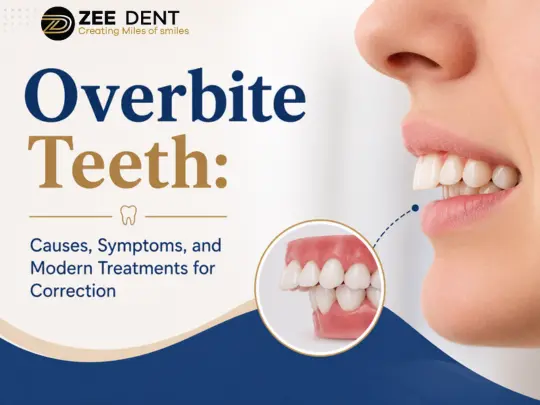
Overbite Teeth: Causes, Symptoms, and Modern Treatments for Correction
Overbite teeth are one of the most common orthodontic concerns affecting both children and adults. A healthy bite plays an important role in oral function, speech, chewing ability, and smile appearance, but excessive overlap of the upper teeth can lead to various dental and jaw-related problems over time.
Many patients ask what causes overbite teeth and whether treatment is necessary. Understanding the symptoms, causes, and modern correction methods can help prevent long-term dental complications and improve overall oral health.
What Is Overbite in Dentistry?
To understand what is overbite in dentistry, it helps to know how teeth should normally align.
An overbite occurs when the upper front teeth overlap excessively over the lower front teeth. A slight overlap is considered normal, but a deep or excessive overbite may lead to functional and cosmetic concerns.
Overbites can vary in severity and may affect both children and adults.
Types of Overbite
There are two main types of overbite in dentistry.
Dental Overbite
A dental overbite is caused by improper tooth positioning.
Skeletal Overbite
A skeletal overbite is related to jawbone structure and development.
A dental examination helps determine the exact type and severity of the condition.
Causes of Overbite Teeth
Several factors can contribute to the development of overbite teeth.
Genetics
Jaw shape and tooth alignment are often inherited.
Thumb Sucking and Pacifier Use
Prolonged childhood habits may affect jaw and tooth development.
Teeth Grinding
Excessive grinding can gradually impact bite alignment.
Poor Oral Habits
Tongue thrusting and nail biting may contribute to bite issues.
Missing Teeth
Tooth loss can alter bite balance and tooth positioning.
Symptoms of Overbite
The symptoms of overbite can vary depending on severity.
Common signs include:
- Upper teeth significantly overlapping lower teeth
- Difficulty biting or chewing
- Jaw discomfort or tension
- Speech difficulties
- Teeth grinding
- Facial imbalance
- Increased tooth wear
Some patients may also experience headaches or temporomandibular joint discomfort.
Problems Caused by Untreated Overbite
A severe overbite may affect both oral health and quality of life if left untreated.
Tooth Wear
Excessive pressure can wear down tooth enamel.
Jaw Pain
Improper bite alignment may strain jaw muscles and joints.
Gum Problems
Misaligned teeth can make oral hygiene more difficult.
Speech Issues
Some patients may develop speech irregularities.
Aesthetic Concerns
Overbite teeth can affect facial balance and smile appearance.
Early treatment helps reduce the risk of these complications.
How Is Overbite Diagnosed?
Dentists and orthodontists diagnose overbite through a clinical examination and dental imaging.
This may include:
- Oral examination
- Digital X-rays
- Bite analysis
- Dental impressions or scans
These evaluations help determine the most effective treatment plan.
Modern Treatments for Overbite Correction
Several modern orthodontic treatments can help correct overbite teeth depending on the severity of the condition.
Braces for Overbite
Traditional braces remain one of the most effective solutions for overbite correction.
Braces gradually move teeth into proper alignment and help improve bite function.
Patients exploring treatment options often consider metal and ceramic braces for effective bite correction.
Clear Aligners
Clear aligners are a discreet alternative to braces for mild to moderate overbite cases.
They use custom-made trays to gradually reposition teeth while offering improved comfort and aesthetics.
Lingual Braces
Lingual braces are placed behind the teeth, making them less visible during treatment.
Patients looking for a discreet orthodontic option may benefit from invisible lingual braces.
Damon Braces
Damon braces use self-ligating technology to reduce friction and improve treatment efficiency.
Some patients choose Damon braces in Dubai for enhanced comfort and shorter adjustment appointments.
Retainers
After orthodontic treatment, retainers help maintain the corrected bite position and prevent teeth from shifting.
How Long Does Overbite Treatment Take?
Treatment time depends on:
- Severity of the overbite
- Patient age
- Type of orthodontic treatment
- Compliance with treatment instructions
Most cases may take anywhere from several months to two years for complete correction.
Can Overbite Be Prevented?
While some causes are genetic, certain habits may help reduce the risk of developing severe overbite.
- Avoid prolonged thumb sucking
- Maintain regular dental checkups
- Address teeth grinding early
- Seek orthodontic evaluation when needed
Early intervention can improve treatment outcomes.
Conclusion
Now that you understand what is overbite in dentistry, it becomes clear why proper diagnosis and timely treatment are important. Overbite teeth can affect oral health, jaw function, and smile appearance if left untreated.
Modern orthodontic treatments such as braces and clear aligners offer effective solutions for correcting overbite and improving overall dental function.
A professional orthodontic consultation can help determine the best treatment option based on your individual needs.