
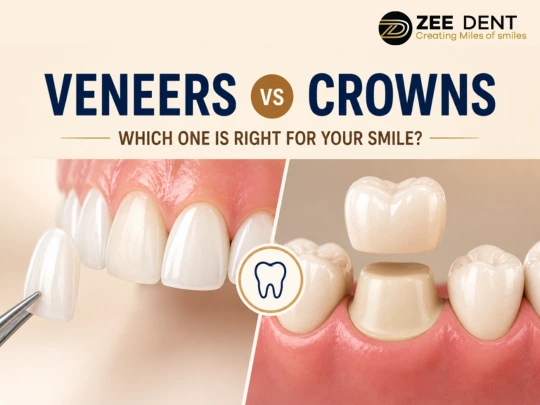
Veneers vs Crowns: Differences, Benefits and Which One Is Right for Your Smile
When it comes to improving the appearance and function of damaged teeth, two of the most common cosmetic dental treatments are veneers and crowns. Many patients compare veneers vs crowns to determine which option is best for their smile, oral health, and long-term goals.
While both treatments can improve the appearance of teeth, they serve different purposes and involve different procedures. Understanding the differences between veneers and crowns can help you make a more informed decision.
What Are Veneers?
Dental veneers are thin, custom-made shells that are bonded to the front surface of teeth. They are mainly used for cosmetic improvements and are commonly made from porcelain or composite resin.
Veneers are often recommended for:
- Discolored teeth
- Chipped or cracked teeth
- Minor gaps between teeth
- Uneven or misshapen teeth
- Mild alignment concerns
Veneers improve the visible appearance of teeth while preserving most of the natural tooth structure.
To understand veneer options in detail, read our guide on types of veneers.
What Are Dental Crowns?
Dental crowns are tooth-shaped caps that fully cover the visible portion of a tooth. Unlike veneers, crowns provide both cosmetic improvement and structural protection.
Crowns are commonly used for:
- Severely damaged teeth
- Large cavities or fillings
- Root canal treated teeth
- Cracked or weakened teeth
- Restoring tooth strength and function
Crowns can be made from porcelain, ceramic, metal, or porcelain-fused materials.
Veneers vs Crowns: Main Differences
Understanding the differences between veneers vs crowns helps determine which treatment is more suitable for your needs.
| Feature | Veneers | Crowns |
| Tooth Coverage | Cover only the front surface of the tooth | Cover the entire tooth structure |
| Purpose | Primarily cosmetic treatment for improving smile appearance | Restore both aesthetics and tooth function |
| Tooth Preparation | Require minimal enamel removal | Require more extensive tooth reshaping |
| Durability | Typically last 10 to 15 years with proper care | Can last 10 to 20 years depending on material and maintenance |
| Strength | Suitable for healthy teeth with cosmetic concerns | Better for weak, damaged, or heavily restored teeth |
| Appearance | Natural-looking cosmetic enhancement | Natural-looking restoration with full tooth coverage |
Both veneers and crowns can provide highly aesthetic results when designed properly. Porcelain materials closely resemble natural tooth enamel for a realistic appearance.
Benefits of Veneers
Natural Smile Enhancement
Veneers create a bright and symmetrical smile.
Conservative Treatment
Minimal removal of natural tooth structure.
Stain Resistance
Porcelain veneers resist stains from coffee, tea, and smoking.
Quick Cosmetic Improvement
Ideal for smile makeovers and aesthetic corrections.
Benefits of Crowns
Strong Tooth Protection
Crowns reinforce damaged or weakened teeth.
Restored Function
Improve chewing ability and bite strength.
Long-Term Durability
Suitable for teeth requiring structural support.
Versatile Treatment
Used in both restorative and cosmetic dentistry.
Veneers vs Crowns Cost
The cost difference between veneers and crowns depends on several factors:
- Material used
- Number of teeth treated
- Complexity of treatment
- Dentist’s expertise
In many cases, crowns may cost more because they involve more extensive restoration work. A consultation is the best way to understand the most suitable treatment and expected costs.
Which Is Better: Veneers or Crowns?
The answer depends on your dental condition and treatment goals.
Veneers May Be Better If You:
- Want cosmetic improvement only
- Have healthy tooth structure
- Want minimal enamel removal
- Need smile enhancement for front teeth
Crowns May Be Better If You:
- Have severely damaged teeth
- Need structural reinforcement
- Have undergone root canal treatment
- Need both functional and cosmetic restoration
A professional dental examination helps determine the best option based on your oral health.
Are Veneers or Crowns Permanent?
Both treatments are considered long-term dental solutions.
Since a small amount of enamel is removed during preparation, veneers and crowns are generally irreversible procedures. Proper oral hygiene and regular dental visits are important for maintaining results.
How to Care for Veneers and Crowns
To maintain longevity:
- Brush and floss daily
- Avoid biting hard objects
- Wear a night guard if you grind your teeth
- Visit your dentist regularly
- Maintain good oral hygiene habits
Good care helps preserve both restorations and natural teeth.
Conclusion
Understanding the differences between veneers vs crowns helps you choose the right treatment for your smile and oral health needs. Veneers are ideal for cosmetic improvements, while crowns provide stronger structural support for damaged teeth.
The best option depends on your dental condition, goals, and long-term expectations. A consultation with a qualified dentist can help you decide which treatment is most suitable for achieving a healthy and confident smile.