
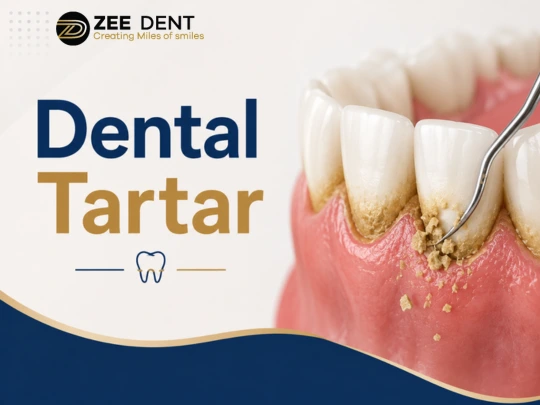
Dental Tartar: Causes, Signs, Removal Methods and How to Prevent It
Maintaining good oral hygiene involves more than just brushing and flossing. Even with regular care, plaque can harden over time and form a substance known as dental tartar. If left untreated, tartar buildup can contribute to cavities, gum disease, and other oral health concerns.
Understanding the causes, signs, treatment options, and prevention strategies for dental tartar can help protect your teeth and gums from long-term damage.
What Is Dental Tartar?
Dental tartar, also known as dental calculus, is hardened plaque that forms on the teeth and along the gumline.
Plaque is a sticky film of bacteria that naturally develops on teeth throughout the day. When plaque is not removed effectively through brushing and flossing, it can harden into tartar.
Unlike plaque, tartar cannot be removed with regular brushing and typically requires professional dental cleaning.
What Causes Dental Tartar?
Several factors can increase the risk of tartar buildup.
Inadequate Oral Hygiene
Irregular brushing and flossing allow plaque to remain on the teeth, increasing the likelihood of tartar formation.
Frequent Consumption of Sugary Foods
Sugary foods and drinks feed oral bacteria, leading to increased plaque accumulation.
Smoking and Tobacco Use
Tobacco products can accelerate plaque and tartar buildup while increasing the risk of gum disease.
Dry Mouth
Reduced saliva production limits the mouth’s natural ability to wash away bacteria and food particles.
Skipping Regular Dental Checkups
Without professional cleanings, plaque has more opportunity to harden into tartar.
Signs and Symptoms of Dental Tartar
Recognizing the signs of dental tartar early can help prevent more serious oral health issues.
Common symptoms include:
- Yellow, brown, or black deposits on teeth
- Rough or hardened areas near the gumline
- Persistent bad breath
- Bleeding gums during brushing or flossing
- Swollen or irritated gums
- Increased tooth sensitivity
Tartar is most commonly found behind the lower front teeth and along the gumline.
Dental Tartar vs Plaque
Many people confuse plaque and tartar, but they are different conditions.
| Feature | Plaque | Dental Tartar |
| Texture | Soft and sticky | Hard and rough |
| Removal | Can be removed by brushing and flossing | Requires professional dental cleaning |
| Formation | Develops daily | Forms when plaque hardens |
| Risk Level | Can lead to tartar | Can contribute to gum disease and tooth decay |
Understanding the difference helps highlight the importance of daily oral hygiene.
Can Dental Tartar Cause Gum Disease?
Yes. One of the biggest concerns associated with dental tartar is its link to gum disease.
Tartar creates a rough surface that allows more plaque and bacteria to accumulate. Over time, this can lead to:
Gingivitis
The earliest stage of gum disease characterized by:
- Red gums
- Swelling
- Bleeding during brushing
Periodontitis
If left untreated, gingivitis may progress into periodontitis, a more serious condition that can affect the supporting structures of the teeth.
Early tartar removal helps reduce these risks.
How Is Dental Tartar Removed?
Many patients ask whether they can remove tartar at home.
The answer is generally no. Once plaque hardens into tartar, professional treatment is usually required.
Professional Dental Cleaning
Dentists and dental hygienists use specialized instruments to remove tartar from the teeth and gumline.
Benefits include:
- Removal of hardened deposits
- Reduction of bacteria
- Improved gum health
- Fresher breath
Scaling and Root Planing
For patients with gum disease, a deeper cleaning procedure may be recommended.
This treatment removes tartar below the gumline and helps the gums heal properly.
Patients with significant tartar buildup may benefit from deep cleaning teeth procedures to restore gum health.
How to Prevent Dental Tartar
Preventing tartar is easier than treating it after it forms.
Brush Twice Daily
Use a fluoride toothpaste and brush for at least two minutes.
Floss Every Day
Flossing removes plaque from areas that a toothbrush cannot reach.
Use an Antibacterial Mouthwash
Mouthwash can help reduce bacteria and plaque accumulation.
Limit Sugary Foods and Drinks
Reducing sugar intake helps control plaque-producing bacteria.
Schedule Regular Dental Cleanings
Professional cleanings help remove plaque before it hardens into tartar.
Who Is More Likely to Develop Dental Tartar?
Certain individuals may have a higher risk of tartar buildup.
Risk factors include:
- Poor oral hygiene habits
- Smoking or tobacco use
- Existing gum disease
- Dry mouth conditions
- Orthodontic appliances such as braces
Regular dental visits are especially important for these patients.
When Should You See a Dentist?
You should schedule a dental examination if you notice:
- Visible tartar deposits
- Persistent bad breath
- Bleeding gums
- Gum swelling
- Tooth sensitivity
Early treatment can help prevent more serious dental problems.
Conclusion
Dental tartar is a common oral health issue that develops when plaque hardens on the teeth and along the gumline. While tartar cannot usually be removed at home, professional dental cleanings can effectively eliminate buildup and protect your gums.
Maintaining good oral hygiene, limiting sugary foods, and attending regular dental checkups are the best ways to prevent tartar formation and maintain a healthy smile.